

Though less famous than the Hollywood-inspired Pineapple Express, Portland Pineapple is older, more influential, and arguably the better strain. It’s also more potent: THC levels can exceed 19% in some tests, while Pineapple Express typically ranges from 16–26%. However, Portland Pineapple’s CBD content is quite low—substantially less than 1%—so it’s not recommended as the sole treatment for seizures or conditions that respond best to CBD.

Portland Pineapple
Description
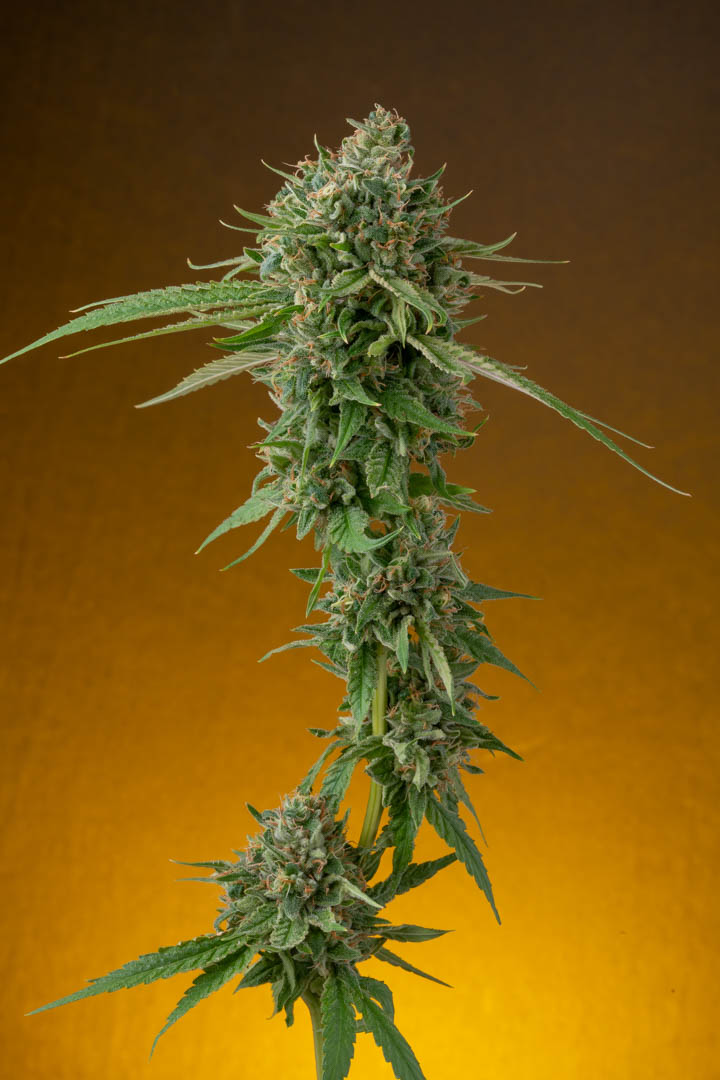
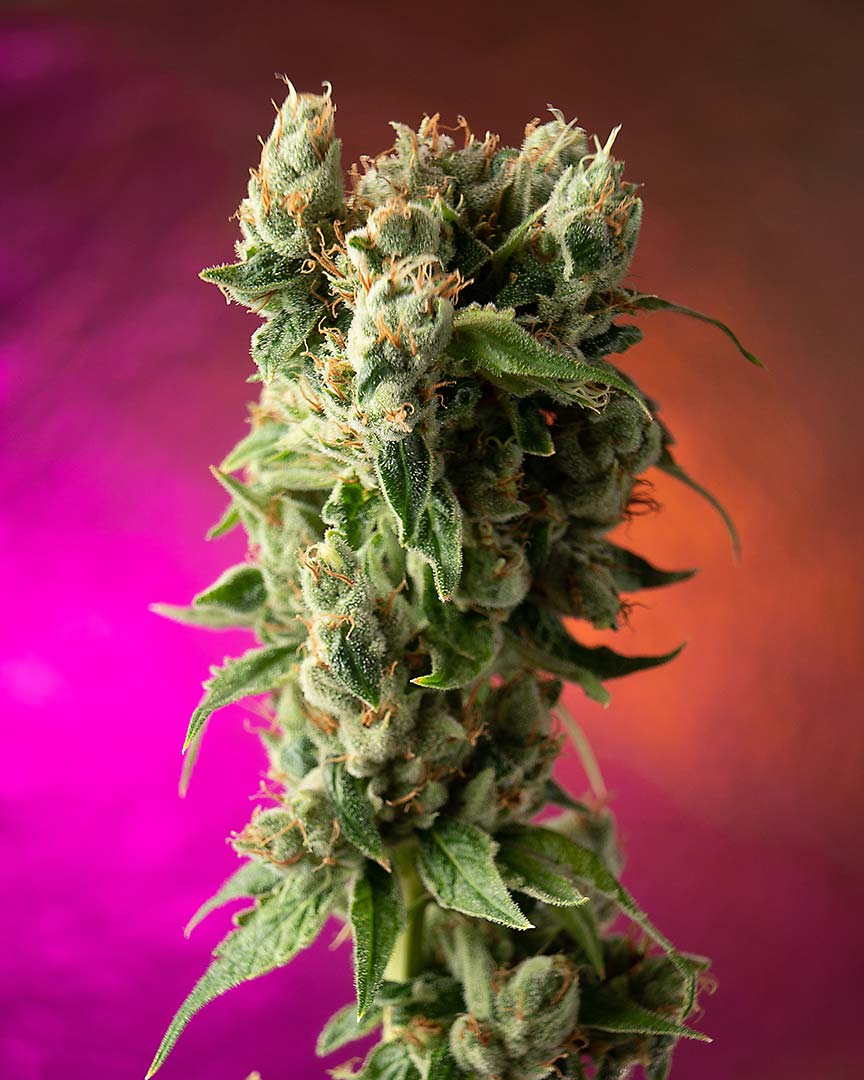
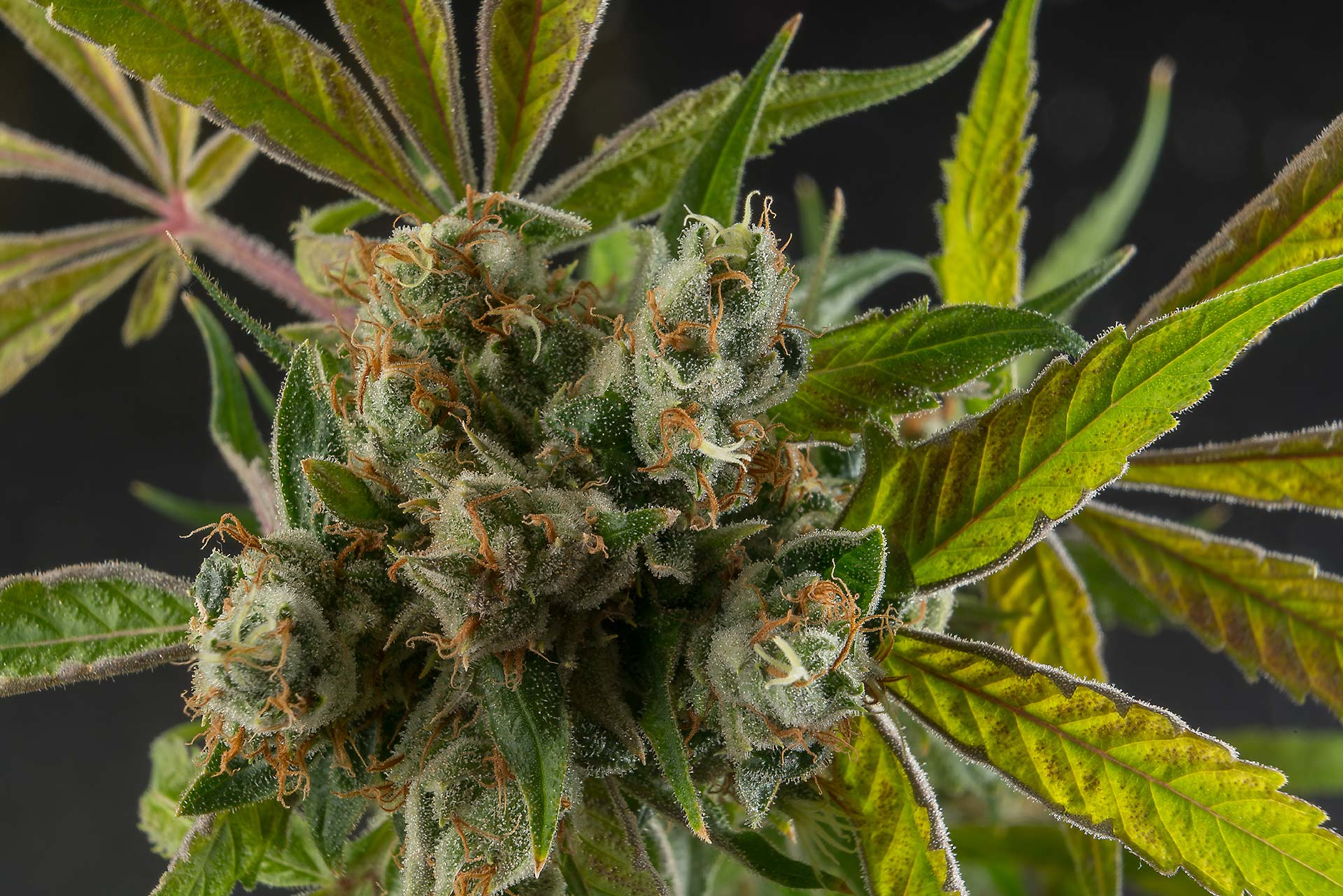
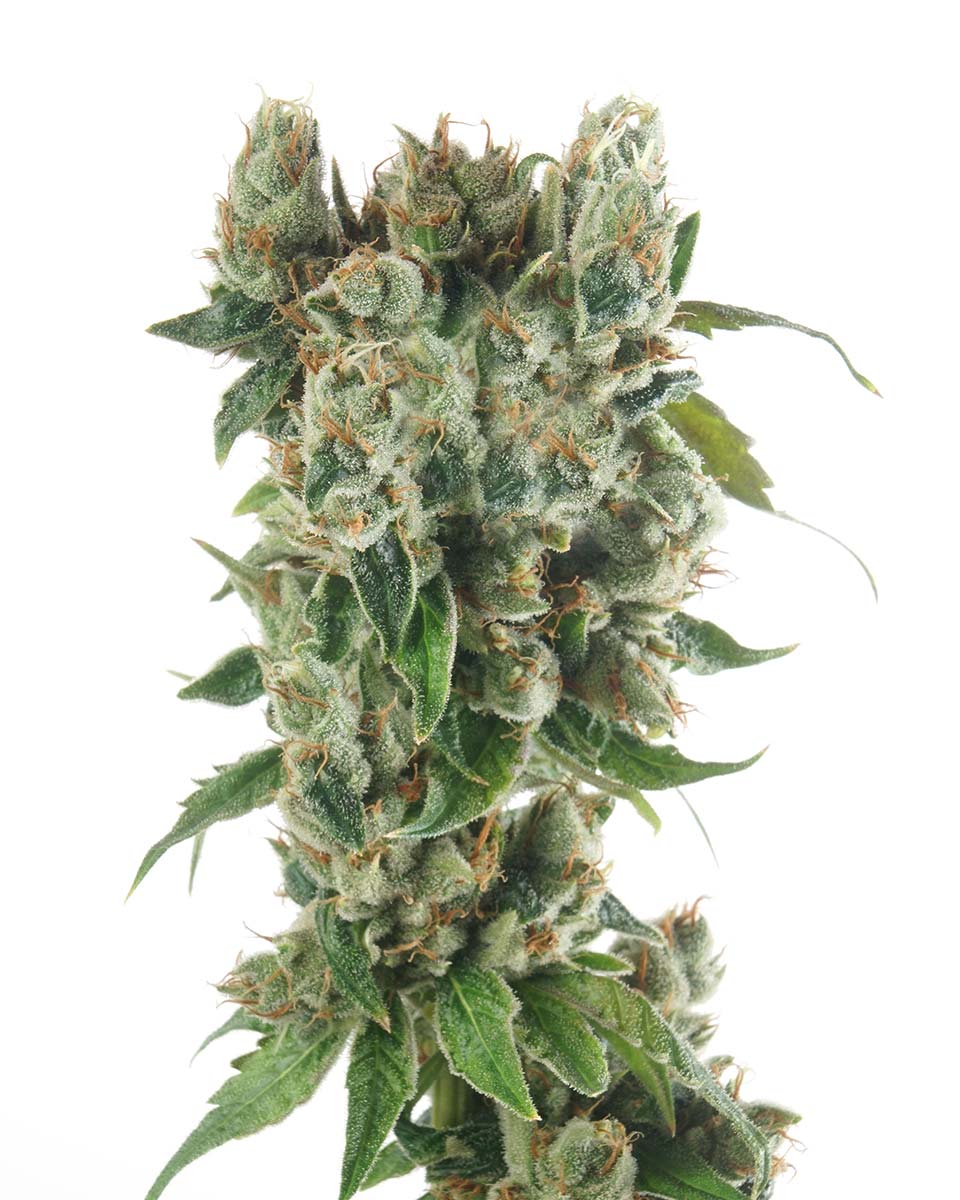
Portland Pineapple is an inbred descendant of Ed Rosenthal’s Super Bud, a sativa-dominant hybrid with an uncertain sativa/indica ratio. True to its name, it delivers a sweet, tropical pineapple flavor accented by skunky undertones. Its buds are dark green with amber hairs and a thick coating of frosty crystals.
The effects lean cerebral, producing a spacey, uplifting high with a surge of happiness. It’s often chosen to ease anxiety, nausea, and chronic pain, while its heavy case of the munchies makes it useful for those with eating disorders or wasting conditions. The most common downsides include dry mouth and watery eyes, with dizziness, headaches, and paranoia possible at higher doses.
Terpenes:
Caryophyllene:
Caryophyllene is a spicy-scented, bicyclic sesquiterpene found in many plants like black pepper, cloves, and cannabis, and is unique for its ability to bind to the CB2 cannabinoid receptor, not the CB1 receptor. This interaction grants it therapeutic potential for anti-inflammatory, antioxidant, neuroprotective, and pain-relieving effects, impacting immune and nervous systems without producing the psychotropic effects of THC. Also known as a dietary cannabinoid, caryophyllene is approved as a natural flavoring by the FDA and is used in aromatherapy, food, and medicinal products.
Myrcene:
Myrcene is a monoterpene found in many plants, including cannabis, hops, and lemongrass, known for its earthy, musky aroma and potential health benefits such as pain relief, anti-inflammatory effects, and promoting sleep. It is a common ingredient in cosmetics and is historically used in traditional medicine for anxiety, pain, and other ailments.
Limonene:
Limonene is a naturally occurring chemical found in citrus fruit rinds, known for its pleasant lemon-like scent and flavor. It’s widely used in food flavorings, air fresheners, and cleaning products as a solvent and fragrance. While potentially offering health benefits like reducing inflammation and acting as an antioxidant.