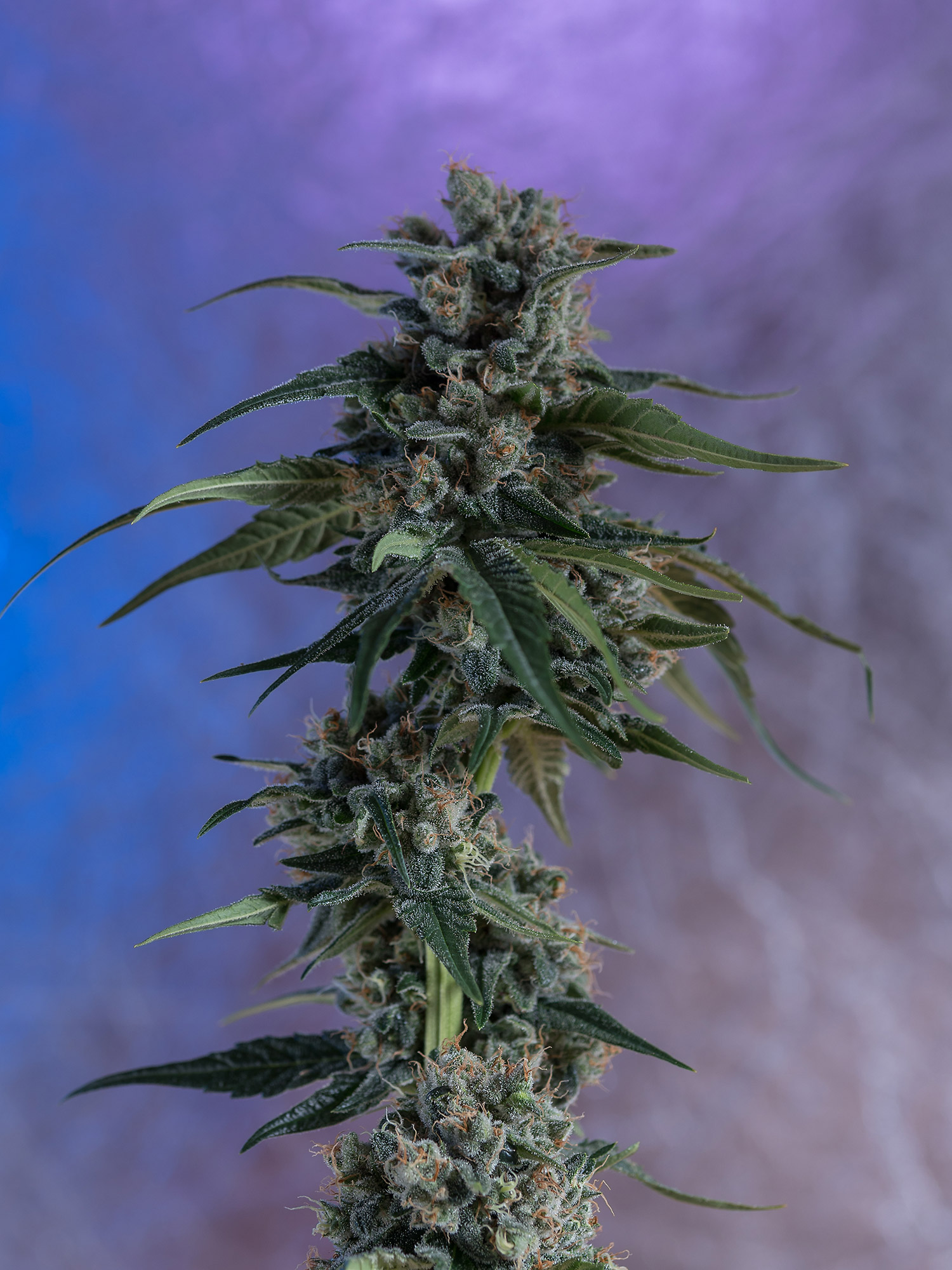
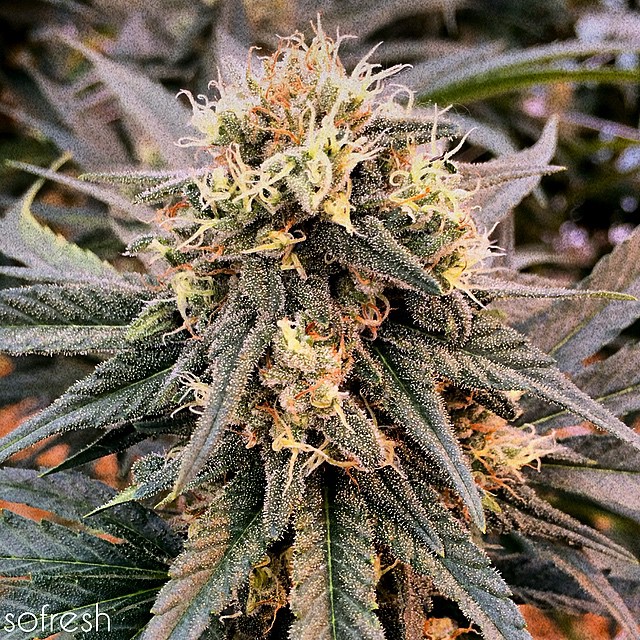
Harle-Tsu is a rare, sativa-leaning hybrid born from the legendary Harlequin and Sour Tsunami strains. Best known for its remarkable CBD content, Harle-Tsu typically carries 18–22% CBD with less than 1% THC, making it highly sought after for therapeutic use rather than intoxicating effects.
The experience is mellow and soothing, beginning with a gentle wave of euphoria that lifts the mood and clears the mind. A soft buzz settles behind the eyes before spreading through the body, melting away tension and discomfort. Instead of a heavy head or body high, users report feeling calm, focused, and motivated—free from pain, stress, and racing thoughts.
Thanks to its powerful CBD profile, Harle-Tsu is often chosen to help manage chronic pain, inflammation, stress, anxiety, migraines, and muscle spasms. Its aroma blends sweet, earthy pine with hints of citrus spice, while the flavor carries herbal pine notes accented by a touch of citrus on the exhale. Harle-Tsu buds are fluffy and luminous, coated in a frosty layer that highlights their quality.
Terpenes:
Myrcene:
Myrcene is a monoterpene found in many plants, including cannabis, hops, and lemongrass, known for its earthy, musky aroma and potential health benefits such as pain relief, anti-inflammatory effects, and promoting sleep. It is a common ingredient in cosmetics and is historically used in traditional medicine for anxiety, pain, and other ailments.
Pinene:
Pinene is a bicyclic monoterpene responsible for the distinct fresh, pine-like scent of coniferous trees and found in other plants and essential oils. The two main types are alpha-pinene (α-pinene), which has a pine-needle aroma, and beta-pinene (β-pinene), which smells more herbaceous. Pinene has various industrial uses, including in the flavor and fragrance industry and as a raw material for other compounds, and is being studied for its diverse pharmacological activities, such as anti-inflammatory, antioxidant, and neuroprotective effects.
Caryophyllene:
Caryophyllene is a spicy-scented, bicyclic sesquiterpene found in many plants like black pepper, cloves, and cannabis, and is unique for its ability to bind to the CB2 cannabinoid receptor, not the CB1 receptor. This interaction grants it therapeutic potential for anti-inflammatory, antioxidant, neuroprotective, and pain-relieving effects, impacting immune and nervous systems without producing the psychotropic effects of THC. Also known as a dietary cannabinoid, caryophyllene is approved as a natural flavoring by the FDA and is used in aromatherapy, food, and medicinal products.